Pest Control Brisbane header

The Impact of Climate Change

Home > Blog > The Impact of Climate Change

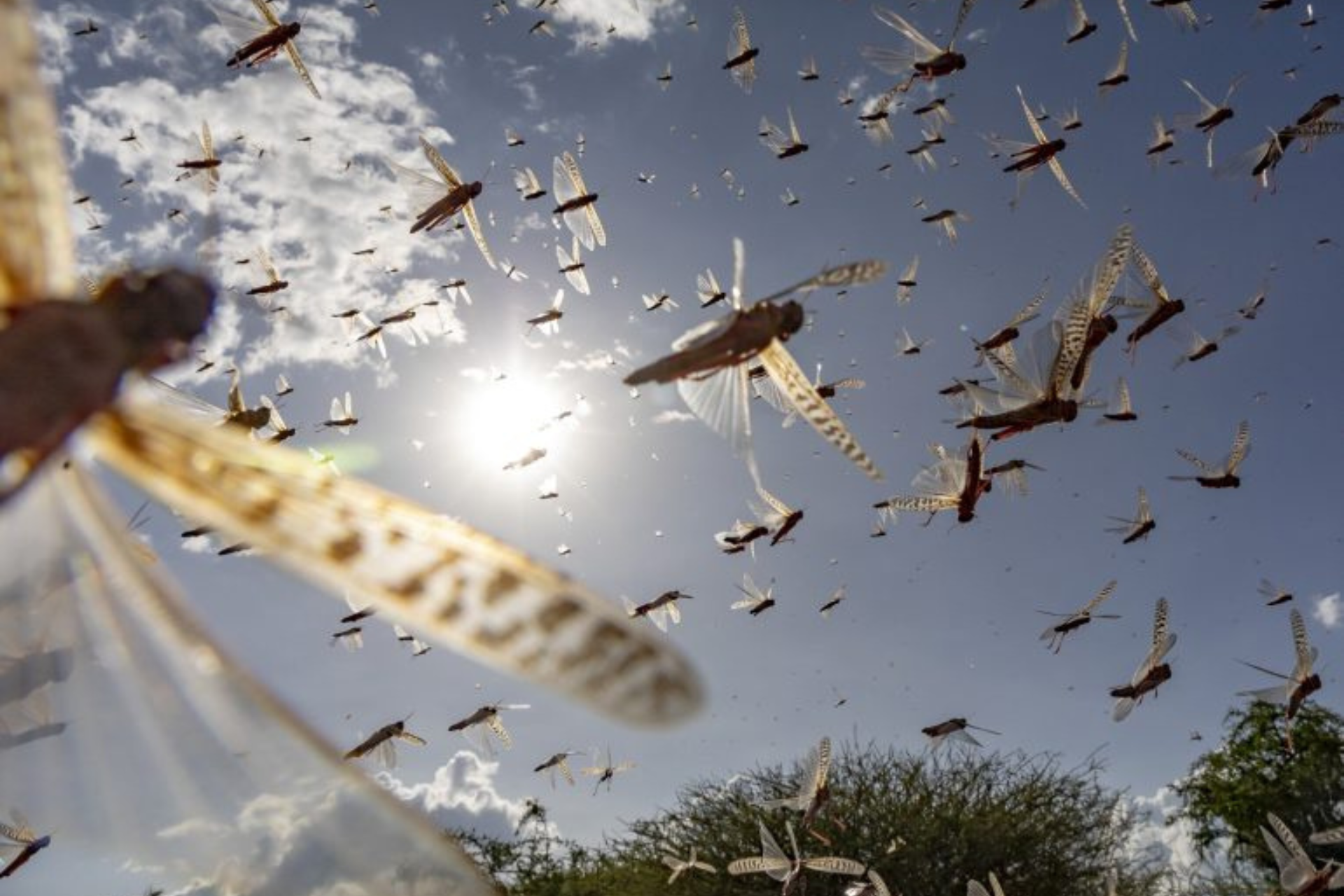
A swarm of locusts flying under a bright sun with clear skies and sparse clouds, viewed from a low angle.

The Impact of Climate Change on Pest Populations: What You Need to Know

Climate change is not only affecting our planet’s weather patterns and ecosystems but also influencing the distribution and behavior of various species, including pests. As temperatures rise and weather patterns shift, pests are adapting to these changes, leading to shifts in their populations and behavior. Understanding the impact of climate change on pest populations is crucial for effective pest management and mitigating potential risks to human health and agriculture.

  1. Shifts in Geographic Distribution: One of the most noticeable effects of climate change on pest populations is the shift in their geographic distribution. Warmer temperatures allow pests to thrive in regions where they were previously unable to survive. For example, mosquitoes that carry diseases such as Zika virus and dengue fever are expanding their range into higher latitudes as temperatures warm, exposing more populations to these diseases.
  2. Extended Breeding Seasons: Rising temperatures can lengthen the breeding seasons of many pests, allowing them to reproduce more rapidly and increase their populations. Pests such as mosquitoes, flies, and cockroaches thrive in warm, humid environments, leading to more frequent and severe infestations in affected areas. Extended breeding seasons also pose challenges for pest control efforts, as traditional methods may become less effective against larger and more resilient populations.
  3. Altered Behavior and Activity Patterns: Climate change can influence the behavior and activity patterns of pests, making them more difficult to control. For example, warmer winters may prevent certain pests from entering hibernation or diapause, leading to year-round activity and increased damage to crops and property. Additionally, changes in precipitation patterns can affect the availability of food and water sources for pests, driving them to seek shelter and sustenance in human habitats.
  4. Impact on Agriculture and Food Security: Pests play a significant role in agriculture, causing billions of dollars in crop losses annually. As climate change alters growing conditions and pest populations, farmers face new challenges in pest management and crop protection. Invasive pests may establish themselves in new regions, threatening native plant species and agricultural crops. Integrated pest management strategies that incorporate climate-resilient practices are essential for maintaining food security in the face of changing environmental conditions.
  5. Human Health Risks: The proliferation of pests due to climate change poses risks to human health, as many pests are vectors for diseases. Mosquito-borne illnesses such as malaria, dengue fever, and West Nile virus are on the rise in many parts of the world as mosquitoes expand their range. Additionally, pests such as ticks and fleas, which transmit diseases such as Lyme disease and typhus, are becoming more prevalent in regions where they were once rare.

In conclusion, climate change is having profound effects on pest populations, leading to shifts in distribution, behavior, and activity patterns. These changes pose challenges for pest management and agriculture, as well as risks to human health and food security. Addressing the impact of climate change on pest populations requires coordinated efforts at the local, national, and global levels to develop climate-resilient pest management strategies and mitigate potential risks to ecosystems and human well-being.

Brisbane's Premier Pest Control Solution!

Banish pests from your home or business with Pest Control Brisbane's effective and reliable services. Get your space pest-free today!